Signed requests, sample QC, and freezer upkeep for biorepositories
Take requests to bank, process, and release samples, with signed storage and consent statements. Check each shipment against its sample list, follow each sample through processing and QC, keep each specimen at a box position with its custody log, and bill storage per box.
Set up as a biorepository core
Setup adds 18 instruments, 8 services, and 33 maintenance plans.
Follow a request through the core
Pick a service, send the request, and take it through to the invoice.
Services
Sample banking
Samples received, checked against your list, and stored at the temperature you choose. You get a record of where each sample is kept, and you request samples back through Specimen release.
Paste rows from a spreadsheet, or add them one at a time.
Statements to sign
Storage terms
I agree to these storage terms. The core keeps samples stored here at the temperature chosen and records where each one is. Storage is billed at the core's rates. If a freezer or tank fails, the core moves the samples to backup storage, but it cannot replace samples lost to an equipment failure. Before discarding any sample, the core asks me or my principal investigator, and it may discard samples still unclaimed 90 days after asking. I will tell the core if I leave the institution or if someone else takes over these samples.
Samples from people
I confirm that any samples on this request that come from people were collected under an approved IRB protocol, with the participants' consent, and that the consent covers this work and storing the samples. The labels and lists I send carry study codes, not names, medical record numbers, or other details that identify a person. I will tell the core at once if a participant withdraws consent, so that their samples can be destroyed or returned.
Typing your full name counts as signing. Here, Priya Shah signs when you send.
Estimated charge $1,080.00
$45.00 per sample × 24 samples.
This brings Aging cohort to $9,080.00 of its $10,000.00 budget.
Who it is for
Biorepositories
A biorepository banks samples for research: blood, tissue, cells, and the DNA and RNA taken from them, often from people in clinical studies. Samples arrive under consent and approvals, are processed into aliquots and frozen within set times, and stay at -80 °C or in liquid nitrogen for years until a researcher needs them. ConductCommons keeps each request with its signed statements, approvals, stages, and QC. It keeps each stored specimen at its box position with a log of every change, releases specimens to researchers on approved requests, follows each missing or mislabeled sample until the problem is resolved, and tracks maintenance on the freezers, tanks, and processing instruments.
What comes set up for a biorepository core
18instruments
8services
33maintenance plans
See every instrument, service, and plan
Instruments18
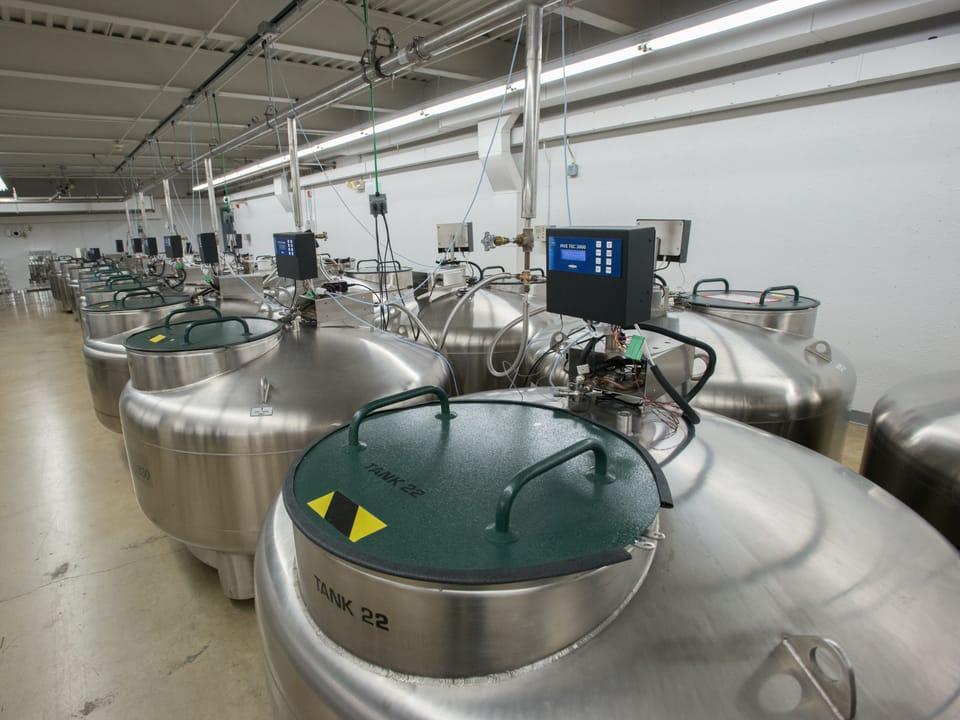
Ultra-low freezer (4)
Liquid nitrogen tank (2)
Controlled-rate freezer
Centrifuge (2)
Biosafety cabinet (2)
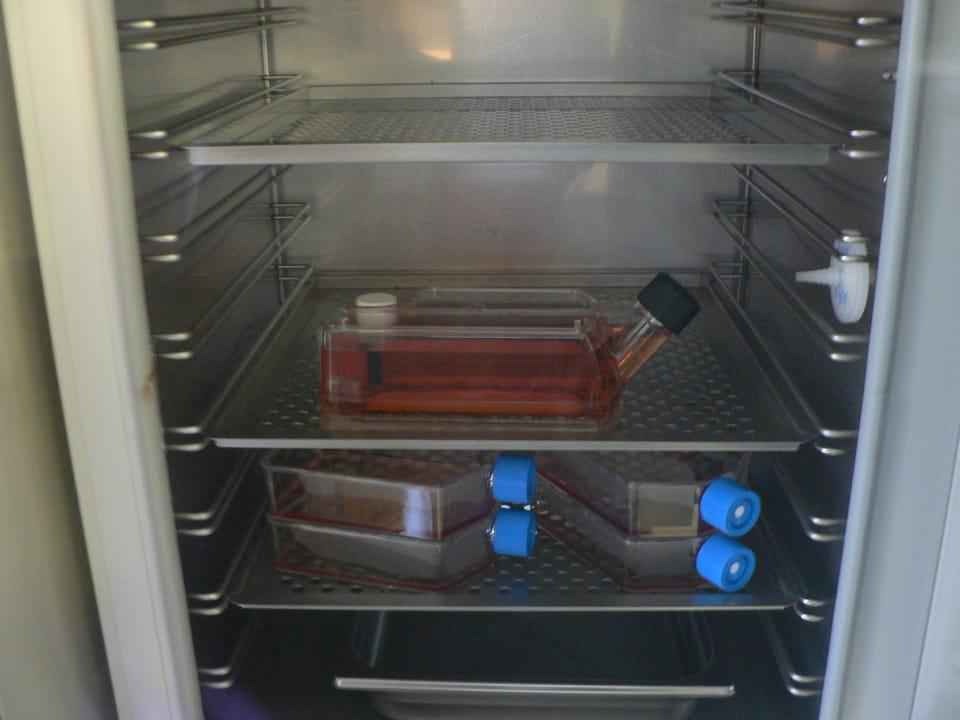
CO2 incubator
Cell counter
Nucleic acid extraction system
Spectrophotometer
Fluorometer
Fragment analyzer
Liquid handling robot
Services8
Sample banking
per sample, about 5 days, 3 stages
Biospecimen processing
per sample, about 2 days, 3 stages
DNA or RNA extraction
per sample, about 7 days, 4 stages
Cell line cryopreservation
per sample, about 21 days, 6 stages
Specimen release
per sample, about 3 days, 2 stages
Long-term storage
per request, about 2 days, 2 stages
Custom biobanking project
per request, 4 stages
Biorepository consultation
by the hour
Maintenance plans33
Check the temperature log and test the alarm
every week, on 4 instruments
Clean the condenser filter and clear ice from the door seals
every 3 months, on 4 instruments
Check the nitrogen level and the fill log
every week, on 2 instruments
Test the low-level and temperature alarms
every month, on 2 instruments
Run a test program and check the chamber temperature
every 3 months, on 1 instrument
Clean the chamber and inspect the rotors
every month, on 2 instruments
Disinfect the work surface and check the airflow alarm
every week, on 2 instruments
Biosafety cabinet certification
every year, on 2 instruments
Clean the chamber and the water pan
every month, on 1 instrument
Clean and decontaminate
every week, on 1 instrument
Measure the calibration standards
every month, on 2 instruments
Clean the deck and check pipetting
every month, on 1 instrument
Preventive maintenance visit
every year, on 9 instruments
You can also download free request forms and maintenance logs for this kind of core.
What the core runs
The instruments behind the work
Choose Biorepository when you set up the core, and these open with their booking rules, along with eight services with their stages, usual QC checks, and starter statements to sign, and the maintenance plans. Change anything later, and add any instrument your core shares. Pick an instrument to see its booking rules and maintenance plans.
Instrument status
Updated 10:42 AM on Oct 13; refreshes every minute.
- 1 in use
- 1 booked
- 1 training
- 1 down
- 14 free
Booking rules
- Training
- Not needed
- Approval
- A manager approves each reservation
- Session
- 1 hour to 7 days
- Charged for
- Reserved time
Preventive maintenance
Managers are emailed before each one is due.
Check the temperature log and test the alarm
every week · next due Oct 19
Clean the condenser filter and clear ice from the door seals
every 3 months · next due Dec 6
Preventive maintenance visit
every year · next due Feb 18
Cold storage
Four -80 °C freezers and two liquid nitrogen tanks, booked only with a manager’s approval, with weekly temperature log, alarm, and nitrogen level checks, filter cleaning, and yearly service visits on the calendar
Freezing
A controlled-rate freezer for cells, booked with training, with a test program every 3 months
Processing
Two centrifuges, two biosafety cabinets booked with training, a CO2 incubator, and a cell counter, with rotor inspections, weekly cabinet checks, and yearly cabinet certification
DNA and RNA
A nucleic acid extraction system, a liquid handling robot, a spectrophotometer, a fluorometer, and a fragment analyzer for yield, purity, and RNA integrity, with weekly decontamination and monthly calibration standards
How it fits biorepository work
From signed request to stored sample
Before the work
A service can ask for up to 5 signed statements. Each is kept with the signer’s name, email, and time.
Storage terms
Sample banking
I agree to these storage terms. The core keeps samples stored here at the temperature chosen and records where each one is. Storage is billed at the core's rates. If a freezer or tank fails, the core moves the samples to backup storage, but it cannot replace samples lost to an equipment failure. Before discarding any sample, the core asks me or my principal investigator, and it may discard samples still unclaimed 90 days after asking. I will tell the core if I leave the institution or if someone else takes over these samples.
Signed by Priya Shah
Oct 6, 9:05 AM
Human sample requests ask for the IRB approval number. They can also wait for the PI and a manager.
Sample banking
SR-0042 · Aging cohort
Sent
Priya Shah · Oct 6, 9:05 AM
Approved for the project
Mei Chen, PI · Oct 6, 11:20 AM
Approved over budget
Dana Whitfield, manager · Oct 7, 9:40 AM
List samples one by one, paste them, or upload up to 500 rows. Staff print QR labels for the tubes.
Sample banking
24 samples, every row checked
| Sample name or ID | Specimen | Volume or mass |
|---|---|---|
| S-01 | Plasma | 500 µL |
| S-02 | Serum | 500 µL |
| S-03 | Whole blood | 2 mL |
and 21 more samples
Staff scan the tubes as they arrive. Matched samples are marked received. Each difference from the list is logged as an issue.
SR-0042: check against the list
4 of 6 samples on the list matched.
| Label on tube | Sample | Result |
|---|---|---|
| SR-0042-001 | 1. P-0042 baseline | Matched |
| SR-0042-002 | 2. P-0042 week 4 | Matched |
| p-0057 baseline | 3. P-0057 baseline | Matched |
| SR-0042-004 | 4. P-0057 week 4 | Matched |
| P-0063 baseline | None | Not on the list |
Not received (2): 5. P-0061 baseline, 6. P-0061 week 4
No more samples are coming. Open a Missing issue for the 2 samples not received.
Saving marks 4 samples received and opens 2 issues: Not on the list, Missing.
During the work
Each stage has a target in days. Researchers see where their samples are and hear when they are stored.
Sample banking
SR-0042 · Chen Lab
- Done
Received
- Done
Checked in
Target 2 days
- In progress
Stored
Target 3 days
Staff record checks such as time to freezing, hemolysis, and yield, on each sample or the whole request.
QC
SR-0042 · Sample banking
- Pass
Count and labels match the list
24 of 24 samples
- Pass
Arrived frozen
Whole request
- Pass
Tubes intact
Whole request
Recorded by Elena Rossi, Oct 15
Staff store the received samples from a request in a box, in one step. On the request, the researcher sees each specimen’s position.
SR-0042: samples stored
Priya Shah sees where each sample is kept.
| # | Sample | Status | Specimen |
|---|---|---|---|
| 1 | P-0042 baseline | Received | S-000124Box 14 / D4 |
| 2 | P-0042 week 4 | Received | S-000125Box 14 / D5 |
| 3 | P-0057 baseline | Received | S-000126Box 14 / D6 |
| 4 | P-0057 week 4 | Received | S-000127Box 14 / D7 |
After the work
Choose studies to list on your public page. Visitors see how many specimens are available by type and visit, and can ask for them.
Specimens you can request
Stored specimens, counted by type and visit. A count under 5 shows as Fewer than 5.
Healthy aging cohort
Study code AGING-01. Blood from adults aged 65 and over, at baseline and 4 weeks later.
| Type | Visit | Available | Request |
|---|---|---|---|
| DNA | Baseline | 41 | Request |
| Plasma | Baseline | 48 | Request |
| Plasma | Week 4 | 38 | Request |
| Serum | Baseline | 12 | Request |
| Serum | Week 4 | Fewer than 5 | Request |
Publications
Inflammation markers in older adults
Journal of Example Research · 2026 · Specimens from: Healthy aging cohort
Inflammation markers in plasma were higher at week 4 than at baseline.
A specimen request asks what the specimens are for and whether they are picked up or shipped. The requester signs the terms of use.
Specimen release
New request
What the samples will be used for
Delivery
Researchers select their specimens and request them. Staff check use restrictions, pull the tubes with a pick list, and ship them with a manifest.
Specimens to release (3)
Pulled 3 specimens from storage. Each keeps its position until it ships.
| Specimen | Study and visit | Participant | Where it is | Use restrictions | Status |
|---|---|---|---|---|---|
| S-000124 | AGING-01 · Baseline | P-0042 | Box 14 / D4 | No commercial use | Checked outPulled for SR-0057 |
| S-000125 | AGING-01 · Week 4 | P-0042 | Box 14 / D5 | No commercial use | Checked outPulled for SR-0057 |
| S-000126 | AGING-01 · Baseline | P-0057 | Box 14 / D6 | No commercial use | Checked outPulled for SR-0057 |
Price banking per sample, storage per box for a year, and consultations by the hour.
INV-0014
Chen Lab · Aging cohort
- $540.00
Sample banking
12 samples at $45.00
- $1,080.00
Biospecimen processing
24 samples at $45.00
- $270.00
DNA or RNA extraction
6 samples at $45.00
Total (USD)$1,890.00
Every step stays on the request with who did it and when. Managers download the log as CSV.
History
SR-0042 · Sample banking
Sent
Priya Shah · Oct 6, 9:05 AM
Approved for the project
Mei Chen · Oct 6, 11:20 AM
Stored done
Elena Rossi · Oct 13, 3:40 PM
Count and labels match the list passed
Elena Rossi · Oct 14, 10:15 AM
Completed
Elena Rossi · Oct 15, 4:30 PM
In the freezer room
Set each box’s rows and columns, such as 9 by 9. Specimens fill its positions in order, and its map shows what is where.
Box 14
Freezer A / Rack 2 / Box 14. 9 by 9 positions, A1 to I9: 30 specimens and 51 free.
- Stored
- Checked out, position reserved
- Free
Moves, check-outs, thaws, and aliquots are logged with who and when. Entries cannot be edited. A checksum flags changes made outside the app.
S-000123
Plasma, study AGING-01, participant P-0042, baseline visit
Custody log intact: 5 entries, each digest recomputed.
| When | What | Where | Details | Who |
|---|---|---|---|---|
| Oct 6 | Registered | Box 14 / A3 | Elena Rossi | |
| Oct 9 | Checked out | Box 14 / A3 | Priya Shah, for an ELISA | Elena Rossi |
| Oct 9 | Thawed | Box 14 / A3 | Thaw 1 | Elena Rossi |
| Oct 9 | Returned | Box 14 / A3 | Elena Rossi | |
| Oct 14 | Aliquoted | Box 14 / A3 | Made 2: S-000123-01 to S-000123-02, in Rack 2 / Box 15 | Dana Whitfield |
Report a specimen that is missing, mislabeled, or in the wrong place, and assign the issue to someone.
Issues (2 open)
An issue stays open until someone records what was done.
| Issue | Kind | About | Owner | Status |
|---|---|---|---|---|
| Issue 3S-000131 is not in its box | Missing | S-000131 | Elena Rossi | Open |
| Issue 21 tube label matches no sample on the list | Not on the list | SR-0042 | Elena Rossi | Open |
| Issue 1Problem with the shipment | Damaged | SR-0039 | Dana Whitfield | Resolved |
Managers are reminded when temperature log checks, alarm tests, and nitrogen checks come due.
Maintenance plans
13 plans
- Due Oct 18
Check the temperature log and test the alarm
every week
- Due Oct 22
Clean the condenser filter and clear ice from the door seals
every 3 months
- Due Nov 8
Check the nitrogen level and the fill log
every week
- Due Dec 19
Test the low-level and temperature alarms
every month
Questions
Biorepository questions
How do researchers sign the storage terms?
The request form shows each statement in full. The researcher types their name as it is on their account and chooses Sign and send request. The request keeps the statements as they were shown, with the name, email, and time, and everyone who sees the request sees them. Edit the statements under Requests, on the Services tab.
Do samples from people need an IRB number?
Yes. When a requester chooses Human as the species, the banking, processing, extraction, and storage services ask for the IRB approval number, and the request cannot be sent without it.
How is storage billed?
Long-term storage is priced per box for a year. The researcher enters the number of boxes, and the charge goes on the payer’s next statement when the core completes the request. Banking, processing, and extraction are priced per sample.
Can we see where each sample is stored?
Yes. Each specimen has a box and a position such as A1, and the box map shows what is where. Staff register specimens one at a time, from a spreadsheet of up to 500 rows, or from a request’s received samples. The researcher sees each specimen and its position on the request, and every move goes into the specimen’s custody log.
What happens when a shipment does not match its sample list?
Staff choose Check against the list on the request and scan each tube. Before anything is saved, the app shows which samples matched, which labels are not on the list, and which samples did not arrive. Saving marks the matched samples received and opens an issue for each kind of difference, owned by the request’s assignee by default. Samples not received go on a Missing issue once staff confirm no more samples are coming. The requester gets an email listing the new issues, sees them on their request, and can add notes. When the samples arrive, a later check marks them received and resolves the issue.
How do researchers get their specimens back?
A researcher selects their specimens on the Specimens page and chooses Request these. A request opens with those specimens listed. Staff check each specimen’s use restrictions against the stated use and approve the request. Then they pull the specimens with a printed pick list, ship them with a manifest, and record where they went.
What can the public see about our specimens?
Nothing until a manager picks the studies to list, in Settings under Public page, and turns the list on. Visitors then see each study’s name and description, and how many specimens are available by type and visit. A count under 5 shows as Fewer than 5. The page shows no totals, so no one can work out a small count by subtraction. Participant codes, specimen IDs, and storage locations never show. Visitors ask for specimens with the Request link on each row.
What happens when a participant withdraws consent?
Staff choose Consent withdrawal on the Specimens page and enter the participant code. The app lists every specimen with that code, including aliquots, and records the stored and checked-out ones as destroyed in one step, each with the reason in its custody log. For specimens that already left storage, the list shows where they went, so staff can notify the recipients.
Can we record QC for each sample?
Yes. Staff record checks such as the time from collection to freezing or RNA integrity as pass or fail on each sample, with a value, and the researcher sees the results.
Who can book the freezers?
The freezers and nitrogen tanks open with a manager’s approval required, so they are there mostly for maintenance plans and problem reports. The controlled-rate freezer and the biosafety cabinets need training. Change any rules under Schedule, then Equipment & access.
Other kinds of core


How signing works: Statements to sign. How approvals work: Approvals. How QC works: Quality control. How boxes, shipment checks, issues, releases, the sample explorer, and the custody log work: Specimens. Specimen tracking on its own, free for research labs: Specimen and sample management.
Run your biorepository in one place.
Every new workspace includes the Core plan for 30 days. After that, booking stays free; rates, invoices, and service requests need the Core plan.